

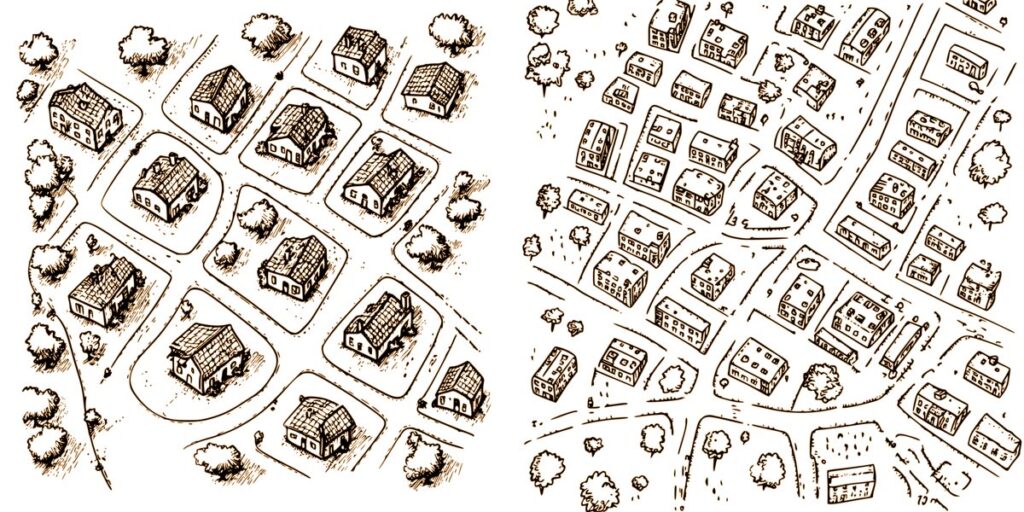
Centennial Arms isn’t just an address in Kinston—it’s a cornerstone of local heritage, a quiet testament to decades of neighborhood spirit, change, and resilience. Tucked away just southeast of downtown, Centennial Arms has roots that reach deep into the city’s past, with a legacy shaped by both historic forces and the caring hands of generations of residents.
The Origins of Centennial Arms
The story of Centennial Arms begins in the mid-20th century, when Kinston was growing rapidly as a regional hub in eastern North Carolina. The neighborhood is named in homage to the centennial of Kinston’s founding—hence, “Centennial”—and “Arms,” a term historically used for residential developments or complexes that evoke a sense of shelter and community. Established as a residential enclave during a period of rapid change in the 1960s, Centennial Arms quickly became known for its welcoming atmosphere and its function as one of the city’s first organized apartment communities.
At that time, Kinston was seeking ways to encourage stable, affordable housing for working families. The Centennial Arms neighborhood emerged as both a symbol of civic progress and a practical answer to this need, built near important city routes like Queen Street and Carey Road, making it accessible yet peacefully removed from the bustle of downtown.
Key Historical Milestones
Over the decades, Centennial Arms has experienced milestones that reflect the story of Kinston itself:
- 1965: Construction of the original Centennial Arms apartments was completed, marking one of the first mid-century multifamily developments in Lenoir County.
- 1970s: The neighborhood flourished as families moved in, many attracted by proximity to local schools like Southeast Elementary and amenities at the nearby Holloway Recreation Center.
- 1980s-1990s: Centennial Arms weathered economic shifts as manufacturing jobs in the broader Kinston area ebbed and flowed, but the close-knit community spirit held strong with block parties, back-to-school festivals, and neighborhood clean-ups becoming regular events.
- 2000s: Centennial Arms saw the rise of neighborhood advocacy—for better parks, improved lighting, and increased attention to safety—demonstrating the power of resident engagement.
- 2010s–Present: Renovation efforts have brought new life to the neighborhood. Apartments have been updated, and investments in surrounding infrastructure—especially along Carey Road and Windsor Avenue—have encouraged younger families and retirees alike to call Centennial Arms home.
Notable Landmarks and Institutions
Although Centennial Arms itself is defined by its residential character, it is woven into the larger tapestry of nearby Kinston landmarks:
- Holloway Recreation Center: Just a short stroll from the heart of Centennial Arms, this beloved facility has hosted generations of local children, offering everything from after-school programs and summer camps to community basketball games.
- Streetscape of Windsor Avenue: Windsor Avenue is one of Centennial Arms’ signature streets, lined with mature oaks. Neighbors remember fondly the festive holiday displays and the scent of magnolias in spring—a symbol of the neighborhood’s enduring Southern charm.
- Shiloh Baptist Church: Serving the spiritual needs of Centennial Arms residents and the broader Kinston community, Shiloh Baptist stands as both a historic institution and a beacon of unity.
- Southeast Elementary School: Located nearby on Hull Road, this school has educated generations of local youngsters, and its playgrounds echo with the laughter of children from Centennial Arms.
Heritage and Community Spirit
Ask any longtime resident and they’ll tell you: The true landmark of Centennial Arms is its people. Over the years, the neighborhood has cultivated a spirit of mutual support. Neighbors greet each other on morning walks or pause to chat on stoops beneath the shade of old trees. Informal “porch committees” have often sprung up to coordinate neighborhood watch efforts or to welcome new families moving in.
The annual Centennial Arms Spring Picnic, hosted in nearby fields or green spaces, is a favorite event where old stories are told and new friendships are forged. Whether it’s lending a hand after a storm or organizing youth workshops with community partners like the Holloway Rec Center, residents embrace the idea that every generation contributes to the area’s ongoing story.
Evolution Over the Decades
Centennial Arms has always adapted to the needs and dreams of its residents:
- Housing Diversity: What began as primarily multi-family apartments has over the years diversified. While apartments remain the backbone, some single-story cottages have been introduced, offering more options to both older adults and young couples starting out.
- Transportation and Connectivity: Improvements to Carey Road and the expansion of Queen Street have made commuting easier, while Kinston Area Transit (KAT) buses link Centennial Arms conveniently to the rest of the city.
- Green Spaces: Efforts to preserve and enhance local green spaces—such as pocket parks and community gardens—are part of what keeps the neighborhood attractive for future generations.
- Cultural Legacy: Residents continue to honor the neighborhood’s history with oral storytelling events and local history displays at the recreation center, helping pass along stories that might otherwise be lost in the rush of modern life.
What Makes Centennial Arms Special Today
Centennial Arms is more than a collection of buildings or a spot on the map. It’s a living reminder of Kinston’s resilience and neighborly tradition. Its central location, legendary gatherings, and the ever-present sense of Southern hospitality make it a cherished piece of the city’s mosaic.
The promise that brought families here more than five decades ago—that every neighbor matters, that every story belongs—endures in the laughter of children at Holloway, the greetings at Shiloh Baptist, and the gentle sway of Windsor Avenue’s trees.
For both lifelong residents and those just discovering its quiet charms, Centennial Arms remains a spirited, storied place: always changing, always welcoming, always home.